Ontario
Hamilton stores a house on the mountain and a hull by the harbour.
Units lead. Cheap-unit and cost questions show up beside the ordinary unit guide. Boats and RVs are present.
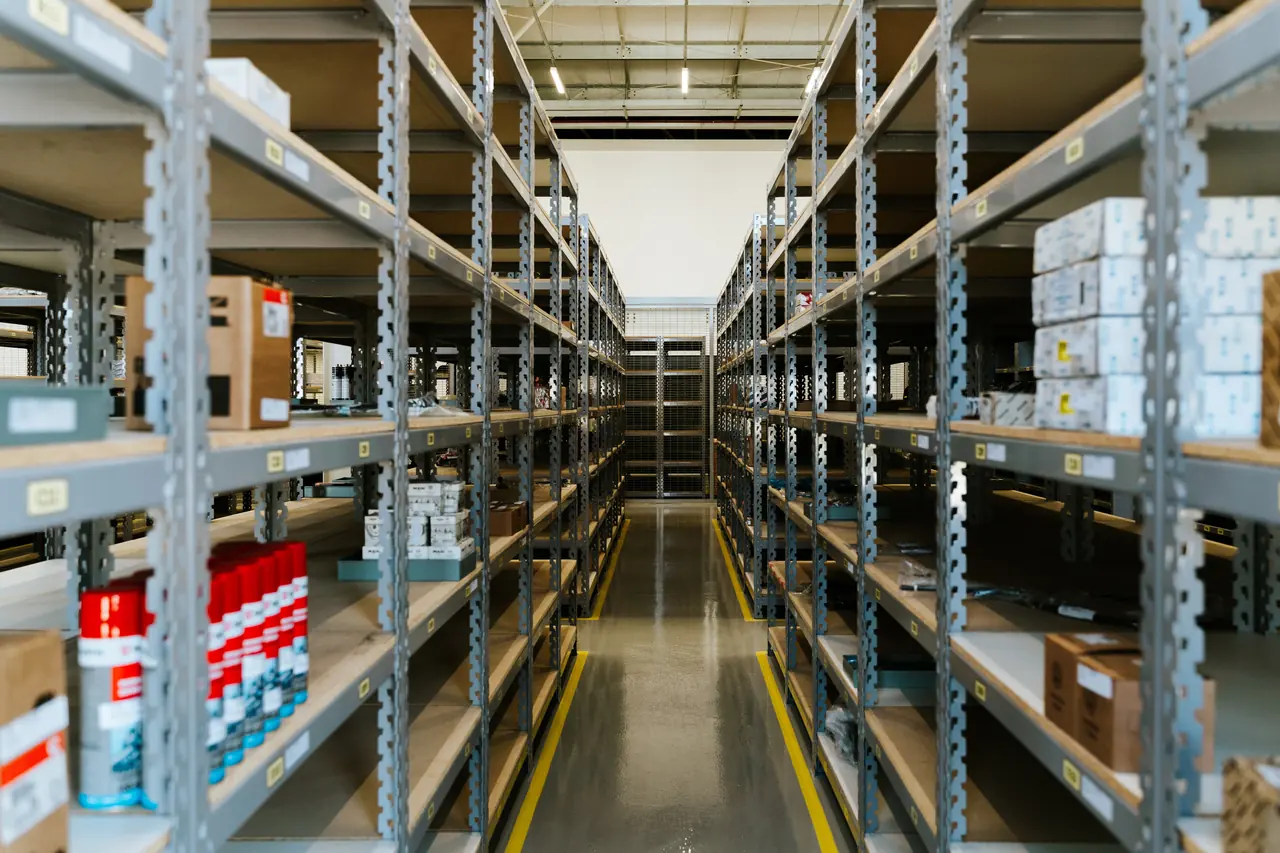
Hamilton’s guide starts with storage units. Cost language — cheap units, storage-unit cost — sits beside the product itself. People are shopping, not only naming a product. The rentals page is how to shop without a fictional Hamilton tariff from Baexrs. The escarpment splits the city into mountain neighbourhoods and the lower city. A unit you will visit from one side is a different trip from the other. Say which side you live on.
The harbour puts boat storage on this page, and RV storage sits beside it. Neither is the main product. If you have a hull, use the boat page and the haul-out calendar. If you have a coach, use the RV page. A household move in a house above the escarpment is still, mostly, a 10×10 or 10×20 conversation.
Hamilton’s industrial history does not make every storage enquiry a warehouse lease. Business overflow belongs on the business page. Student storage around McMaster follows the specialty calendar. No street address is published on either side of the mountain.
Questions about Hamilton
Why so much price language?
Because quotes are part of how people shop here. The method is on the rentals page. No Hamilton rate is invented here.
Is there an address?
No storage facility address is published.
Are boats the main search?
No. Units are. Boats are a real side phrase.
Does the mountain matter?
It changes the trip. Name the side of the escarpment you actually drive from.
Is a student unit different?
The calendar is. The room is an ordinary unit. See specialty storage.
Enquiry
Ask about Hamilton with dates, not a pin.
Say the storage type, the month, and the largest object. The reply cannot invent a vacant unit.